Ending Item Price Tests on Instacart

Over the past couple weeks, there’s been a lot written about Instacart and how pricing works on our platform. Some of that coverage raised fair questions. Much of it included misconceptions and misinformation about what we do – and don’t do – when it comes to prices.
But here’s one fact we want to be clear about: Our customers have high expectations for Instacart. And for some, we fell short of those expectations.
We’ve listened carefully to feedback from our customers. And we understand that the tests we ran with a small number of retail partners that resulted in different prices for the same item at the same store missed the mark for some customers. At a time when families are working exceptionally hard to stretch every grocery dollar, those tests raised concerns, leaving some people questioning the prices they see on Instacart. That’s not okay – especially for a company built on trust, transparency, and affordability.
That’s why, effective immediately, Instacart is ending all item price tests on our platform. Retailers will no longer be able to use Eversight technology to run item price tests on Instacart.
Here’s what that means for our customers.
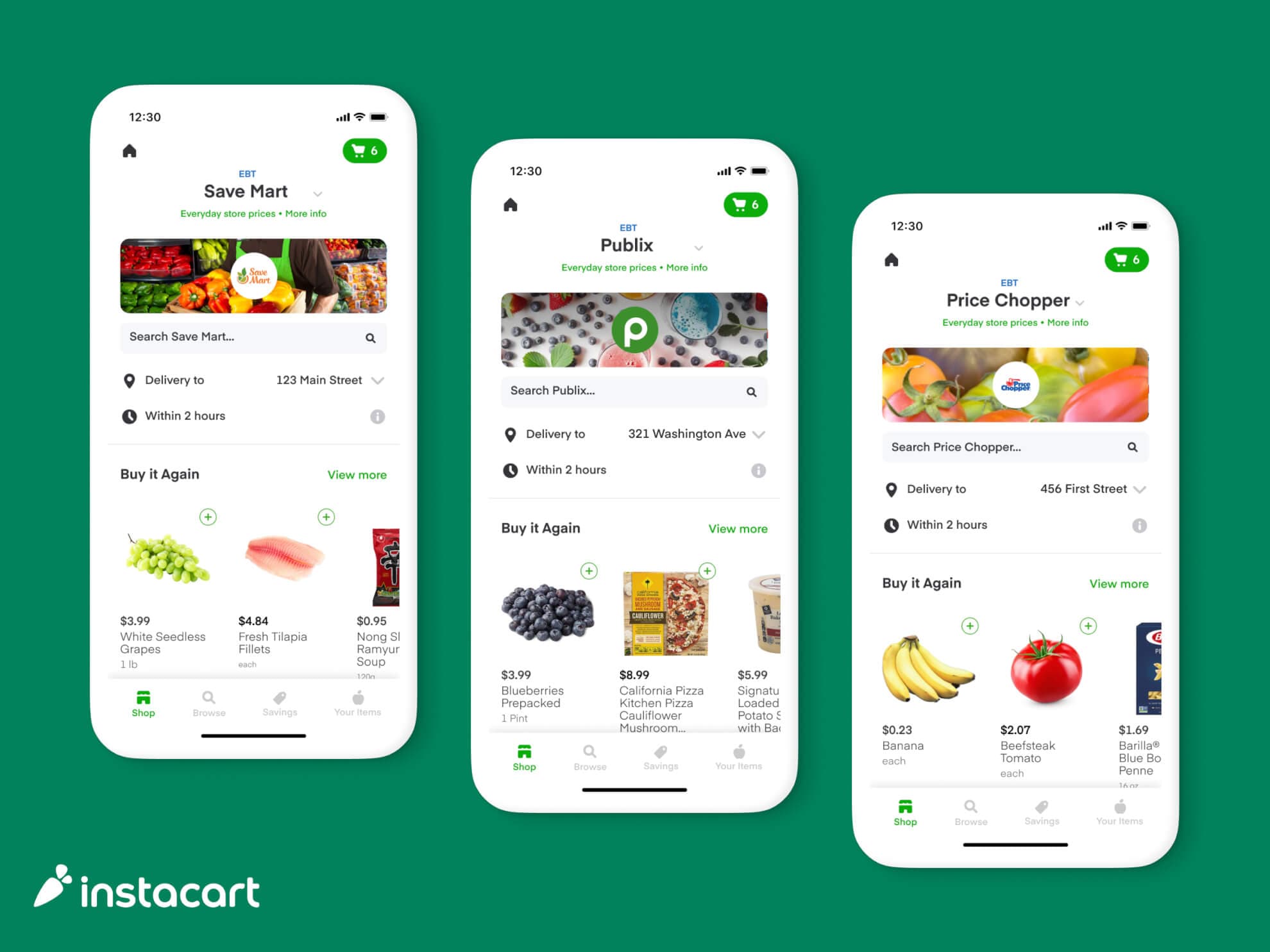
Now, if two families are shopping for the same items, at the same time, from the same store location on Instacart, they see the same prices — period.
Retail partners will continue to set their own prices on Instacart, just as they always have. And just as retailers set different prices for items in their different brick-and-mortar store locations, retail partners may choose to vary the price of items on a store-by-store basis on Instacart, as well. But from now on, Instacart will not support any item price testing services.
Even though these tests were not dynamic pricing or surveillance pricing – and were never based on supply or demand, personal data, demographics, or individual shopping behavior – we’ve listened carefully to the feedback from our customers, and we understand these tests fell short of their expectations. We want families to feel confident that when they shop on Instacart, the prices they see are clear, straightforward and easy to understand.
Looking ahead, we’re relentlessly focused on the work that matters most to customers: encouraging more retailers to move toward in-store and online price parity. We’ll continue working closely with partners to remove markups where possible and better align their online prices with their in-store prices. And we’ll keep clearly displaying each retailer’s pricing policy on their Instacart storefront, so customers can see when a retailer chooses to apply markups.
Pricing is complex, and retailers have long used different approaches across different markets. Just as prices can vary between physical store locations, retail partners may continue to vary item prices on a store-by-store basis on Instacart. Separately, we’ll also continue offering relevant promotions, discounts, and marketing incentives – including those funded by CPG brands and retailers – as well as loyalty integrations, to help bring additional savings to customers.
Trust is earned through clarity and consistency. Customers should never have to second-guess the prices they’re seeing. Ending item price tests on our platform is an important step to ensure Instacart remains a place where families can shop with confidence and get the groceries and everyday essentials they need from the retailers they know and rely on.

Instacart
Author
Instacart is the leading grocery technology company in North America, partnering with more than 1,800 national, regional, and local retail banners to deliver from more than 100,000 stores across more than 15,000 cities in North America. To read more Instacart posts, you can browse the company blog or search by keyword using the search bar at the top of the page.

Instacart Recommends
View most recent posts →